Signs Your Home Needs Improved Roof Ventilation
If your home shows signs your home needs improved roof ventilation, local contractors can assess and install effective solutions to keep your attic properly ventilated.
Homeowners in the area who notice unusual indoor temperatures, persistent humidity, or signs of roof-related issues may find it helpful to explore the topic of roof ventilation. Proper attic and roof ventilation play a crucial role in maintaining a comfortable living environment and preventing damage caused by excess heat and moisture buildup. Recognizing the signs that your home’s ventilation system needs improvement can help property owners take timely steps to protect their investment and enhance overall comfort. Local contractors experienced in roof ventilation installation can assess these concerns and recommend effective solutions tailored to specific needs.
Understanding the practical reasons behind signs of inadequate roof ventilation encourages property owners to stay proactive. Common indicators such as mold growth, excessive attic heat, or increased energy bills often point to ventilation problems that could be addressed by skilled service providers. Exploring these signs and how local experts can assist with improved roof ventilation installation ensures homeowners are equipped with the right information to maintain a healthy, energy-efficient home. Keep reading to learn more about identifying these signs and how professional services can help optimize roof performance.
- Roof Ventilation Inspection - homeowners noticing excessive attic heat or moisture buildup may need this service, where local contractors assess current ventilation systems for improvements.
- Attic Ventilation Upgrade - signs of persistent humidity or mold can indicate inadequate airflow, prompting local service providers to recommend and install more effective ventilation solutions.
- Roof Ventilation Repair - if there are signs of damaged or blocked vents, local pros can repair or replace components to restore proper airflow and prevent further issues.
- Attic Insulation and Ventilation Assessment - when insulation appears compressed or uneven, local contractors evaluate ventilation to ensure proper temperature regulation and moisture control.
- Roof Ventilation System Installation - homes with signs of poor airflow, such as musty odors or ice dam formation, may benefit from new ventilation systems installed by experienced local service providers.
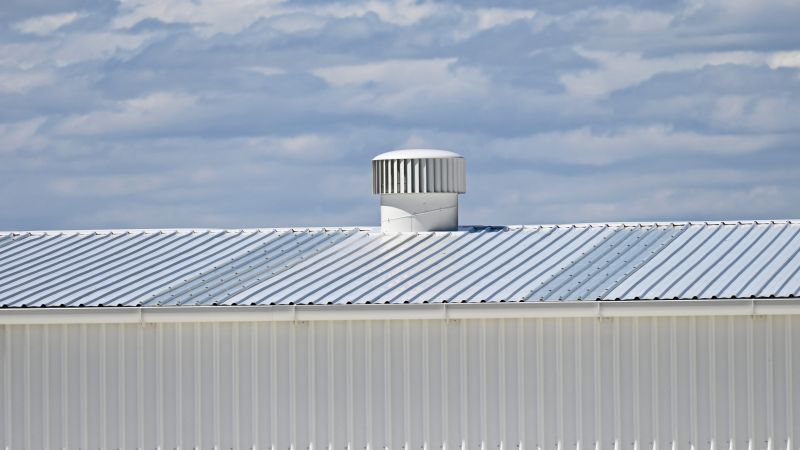
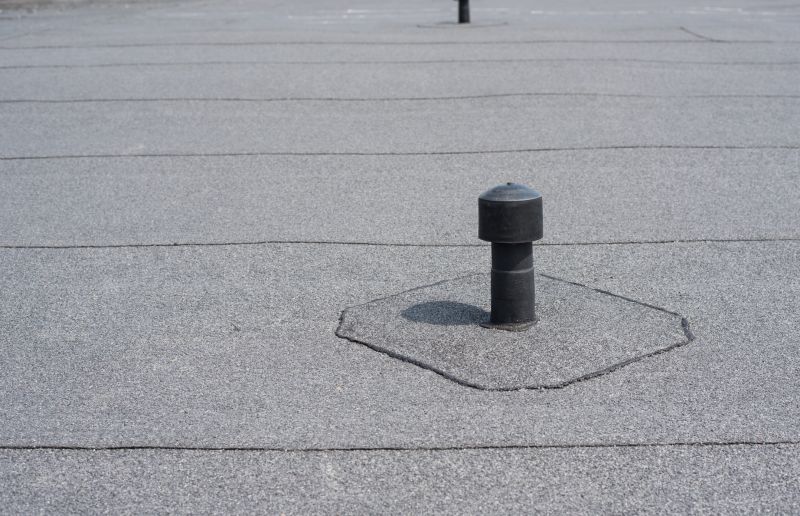
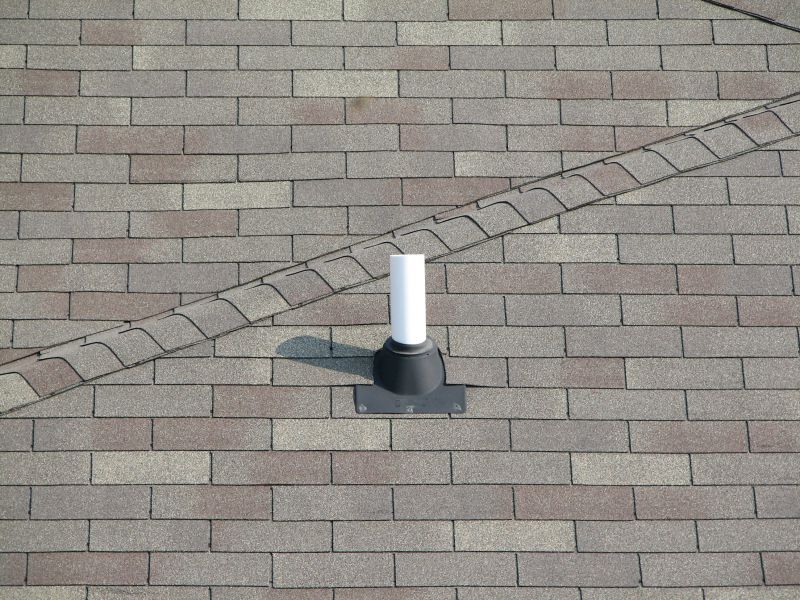
When homeowners search for signs their home needs improved roof ventilation, they often want to understand how ventilation impacts the overall health of their house. Poor ventilation can lead to a buildup of heat, moisture, and stale air in the attic space. This can cause discomfort during warmer months and contribute to higher cooling costs. Additionally, inadequate airflow can accelerate the deterioration of roofing materials, leading to issues like shingle damage or premature roof replacement. Recognizing these signs early can help homeowners plan for improvements that enhance energy efficiency and protect their investment.
This topic is closely related to common home improvement projects focused on attic comfort, energy savings, and roof longevity. Many property owners notice issues such as excessive attic heat in summer or persistent moisture in colder months. These problems often signal that the existing ventilation system isn’t functioning properly or that the home’s roof design needs adjustments. Homeowners may also be considering upgrades during roof replacement or renovation projects, making improved roof ventilation a practical addition. Understanding these problems helps homeowners connect the dots between ventilation and the overall condition of their roofs and living spaces.
Properties that typically come up in discussions about roof ventilation include single-family homes, especially those with attics that are poorly insulated or sealed. Older houses with original roofing systems may lack adequate ventilation, leading to noticeable temperature fluctuations and moisture issues. Newer homes with complex roof designs or multiple attic spaces might also encounter ventilation challenges if the original systems weren’t designed properly. Commercial buildings, though less common in residential-focused searches, can also experience similar issues if their roof ventilation isn’t sufficient to manage heat and humidity. Recognizing the type of property helps homeowners understand what kind of improvements may be needed and how local service providers can assist.
Understanding the signs that indicate a home needs improved roof ventilation can lead to proactive maintenance and better energy management. Symptoms such as excessive attic heat, persistent condensation, mold growth, or a noticeable increase in cooling costs are key indicators. These signs often prompt homeowners to seek expert assessments and potential upgrades. Local contractors specializing in roof ventilation can evaluate existing systems, recommend suitable solutions, and handle installation or repairs. Connecting with experienced service providers ensures that properties-whether traditional single-family homes or more complex structures-receive tailored improvements that address their specific ventilation needs.
Attic Insulation Upgrades - Improving attic insulation often goes hand-in-hand with enhancing roof ventilation to prevent heat buildup and moisture issues in the attic space.
Roof Repair Projects - Roof repairs can reveal ventilation problems and require skilled contractors to ensure proper airflow and prevent future damage.
Attic Fan Installation - Installing attic fans is a common solution that relies on proper planning and tools, similar to ventilation upgrades.
Roof Leak Repairs - Addressing roof leaks may involve inspecting and improving ventilation to reduce moisture-related issues that cause leaks.
Gutter and Drainage System Work - Proper gutter and drainage maintenance supports effective roof ventilation by preventing water accumulation around the roof.
Attic Air Sealing - Sealing air leaks in the attic complements ventilation improvements by controlling airflow and moisture levels effectively.
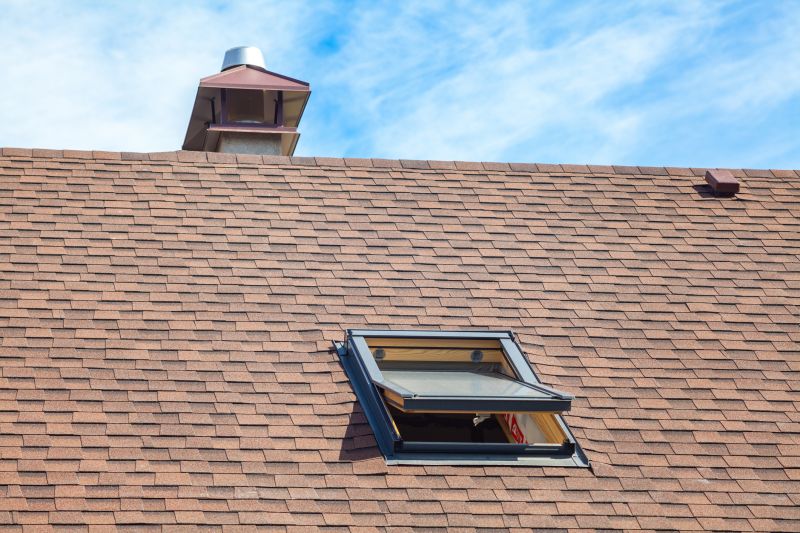
When evaluating service providers for improved roof ventilation installation, it’s important to consider their experience with similar projects. Homeowners should inquire about how many comparable installations the contractors have completed, as this can provide insight into their familiarity with different roof types and ventilation systems. An experienced contractor is more likely to understand the nuances of proper ventilation, ensuring the work is done efficiently and effectively. Additionally, reviewing references or examples of previous work can offer a clearer picture of the contractor’s capabilities and the quality of their results, helping homeowners feel confident in their choice.
Clear, written expectations are essential when comparing local contractors for roof ventilation improvements. A reputable service provider will be able to provide detailed descriptions of the scope of work, materials to be used, and the projected process. This transparency helps homeowners understand what to expect during the project and ensures there are no surprises along the way. It’s also beneficial to ask about warranties or guarantees on the work, as these can indicate the contractor’s confidence in their craftsmanship and the durability of the installation.
Good communication is a key factor when selecting a contractor for roof ventilation services. A professional contractor will be responsive to questions and willing to explain their approach in understandable terms. They should be able to address concerns about the signs indicating a need for improved ventilation and provide guidance on the best solutions for the home. Effective communication also involves timely updates and clarity about the project timeline and procedures, which can help homeowners feel more comfortable and informed throughout the process.
Property owners often search for signs your home needs improved roof ventilation when they are planning practical projects around their homes and businesses. Local pros provide Improved Roof Ventilation Installation services for everyday jobs and straightforward project options.
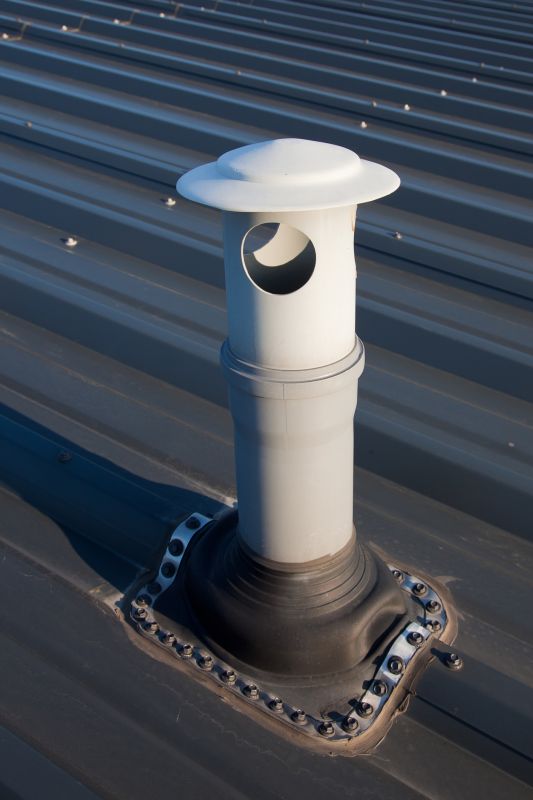
Homeowners in the area might notice signs that their attic feels unusually warm or humid during the warmer months, which can be a sign that the current roof ventilation isn’t effectively removing excess heat and moisture. Additionally, if there’s an increase in roof leaks or visible water stains on ceilings, it could indicate poor airflow, leading to condensation buildup that damages roofing materials over time. These everyday issues often prompt property owners to explore improved roof ventilation installation services offered by local contractors, who can assess the situation and recommend solutions to enhance airflow and protect the home’s structure.
Other common indicators include persistent musty odors in the attic or upper floors, as stagnant air can foster mold and mildew growth. A noticeable increase in energy bills may also be linked to inefficient ventilation, causing HVAC systems to work harder to cool or heat the home. When these signs appear, property owners frequently turn to local service providers specializing in roof ventilation upgrades, as they can help improve airflow, reduce strain on the home’s systems, and support overall roof health.
What are common signs that indicate my home needs improved roof ventilation? Signs include excessive attic heat, persistent moisture or mold, and noticeable roof or attic insulation damage, which can be addressed by local contractors specializing in roof ventilation installation.
How can poor roof ventilation affect my home's energy efficiency? Inefficient ventilation can cause attic temperatures to rise, increasing cooling costs and putting additional strain on HVAC systems, making it beneficial to have local service providers evaluate and improve your roof ventilation.
What issues related to roof and attic health suggest I need better ventilation? Signs such as roof decking warping, shingle deterioration, or attic condensation are indicators that your home may benefit from improved roof ventilation installed by experienced local contractors.
Are there visible signs on the roof that show ventilation problems? Yes, blocked or damaged vents, excessive debris around vents, or uneven shingle wear can point to ventilation issues that local pros can address through proper installation or repairs.
When should I consider having my roof ventilation system checked or upgraded? If you notice persistent attic heat, moisture problems, or damage to roofing components, consulting local service providers for an assessment and potential improvements is recommended.
- noticing higher temperatures during warm months can indicate inadequate roof ventilation, prompting property owners to explore installation options with local contractors.
- ongoing leaks or condensation issues may signal poor airflow, encouraging homeowners to seek improved ventilation solutions through local service providers.
- musty or moldy smells can be a sign of excess humidity caused by insufficient roof ventilation, leading property owners to consider upgrades with local pros.
- growth on roof sheathing or ceilings suggests ventilation problems, motivating homeowners to consult local contractors for assessment and ventilation improvements.
If you are thinking about signs your home needs improved roof ventilation for a property, this guide is meant to help you understand this topic, the typical project types, and how different options might fit your plans.
When you are ready, you can use the quote form on this page to share a few details about your project. From there, local pros can review the basics and follow up with options that match what you have in mind.